A Brief History of Soft Robotics
1920: The word "robot" is introduced by Karel Capek in a play. 1942: Isaac Asimov, a Prof of Biochemistry, introduced the Three Laws of Robotics
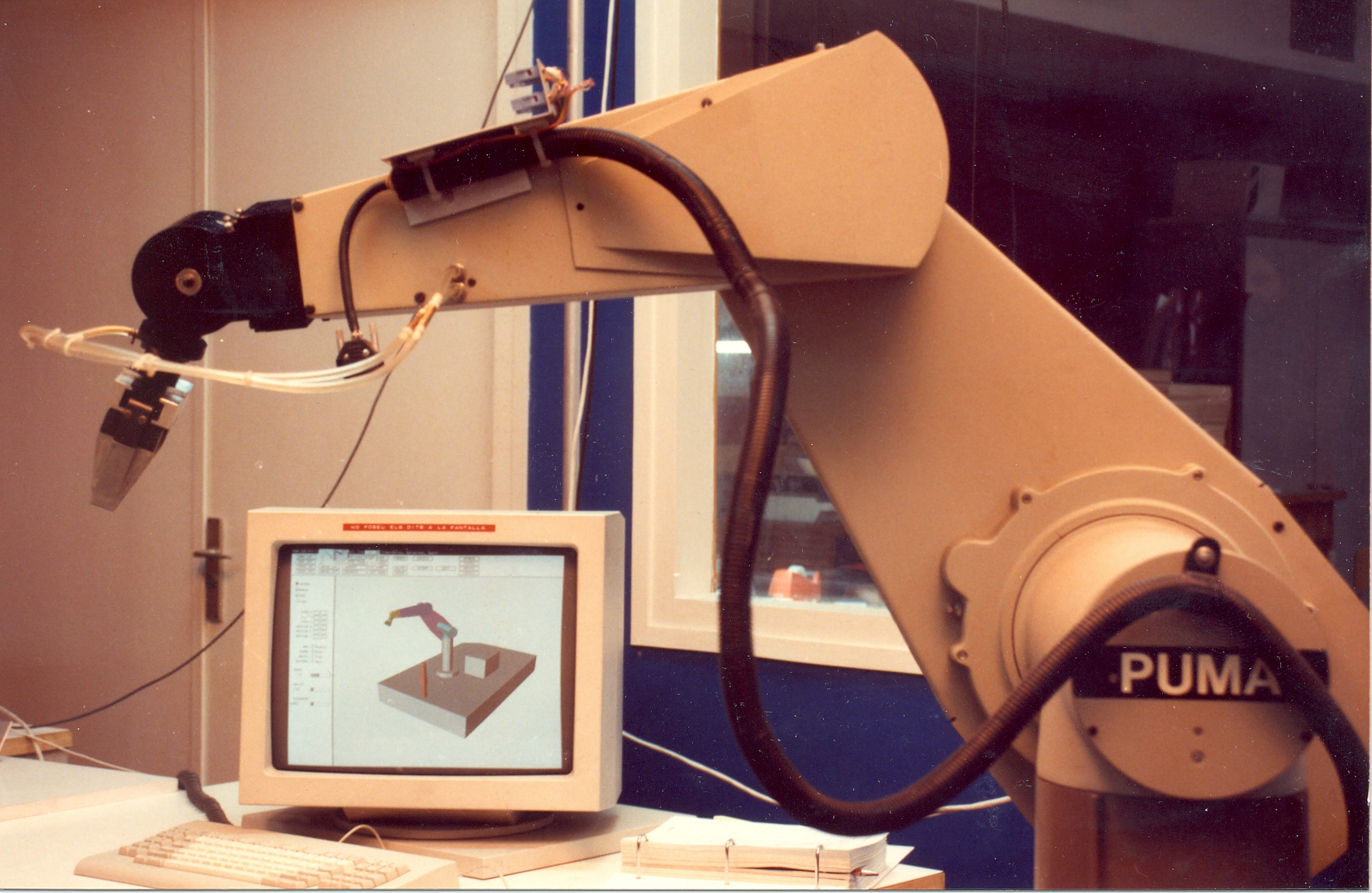
1954: The first programmable robot is introduced. 1968: Unimate, an early industrial robot is commercialized.
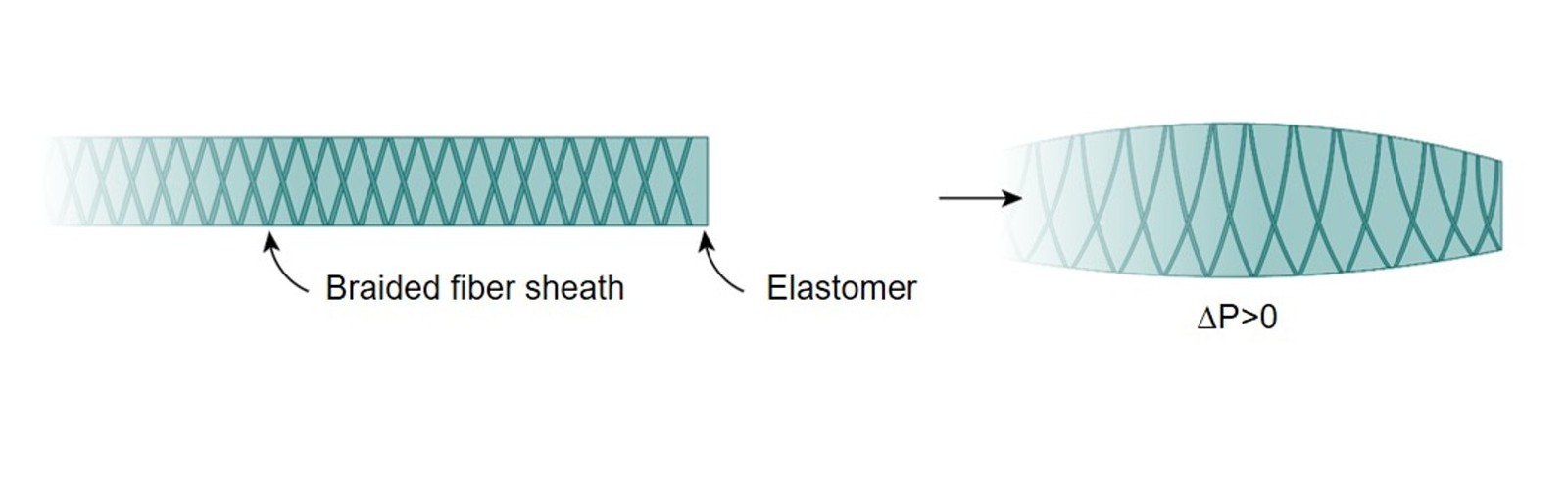
McKibbens Muscle
In 1950, NAME published an article describing the McKibbens Muscle.
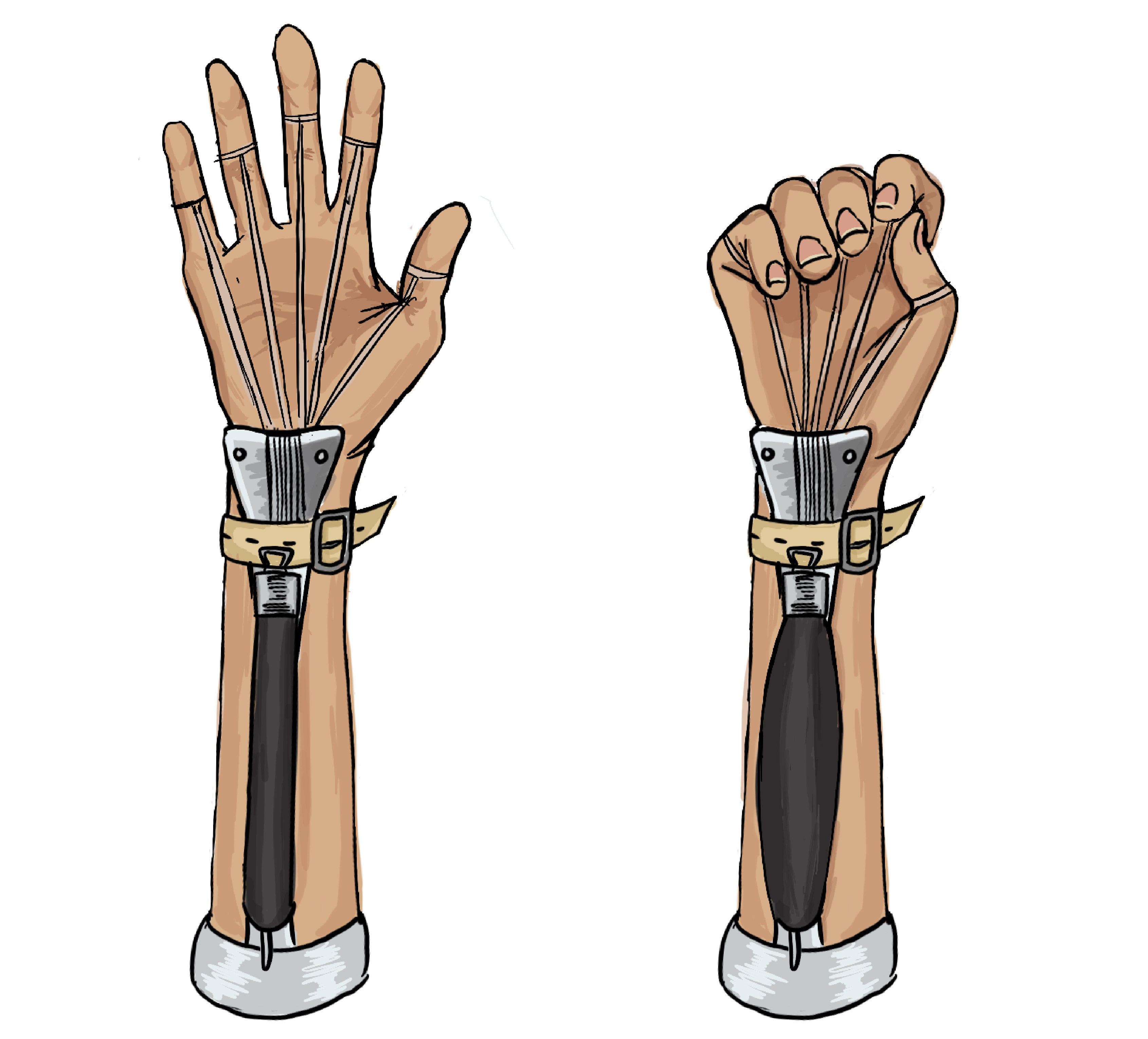
The muscle was used in a proethetic hand designed for their own child.
Elastomer Pneumatic Actuators
In 1990, Dr. Suzimori develeoped a three chamber microactuator molded from silicone. *Insert drawing of silicone muscle*
Pneumatic Network (Pneunet)
In 2011, Dr. George Whitesides develeoped a silicone molded network of hollow chambers that could be actuated pneumatically.
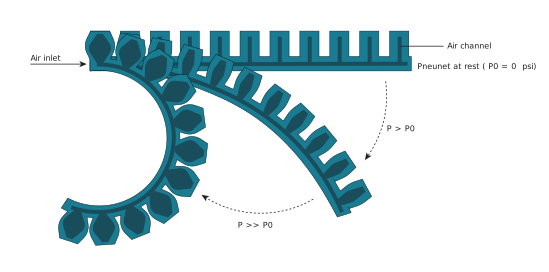
From this time on, the field grew exponentially. Soft robot designs of varying size, material, and actuation type have been introduced for a wide array of biomimetic and bioinspired applications.
Nature's Soft Actuators
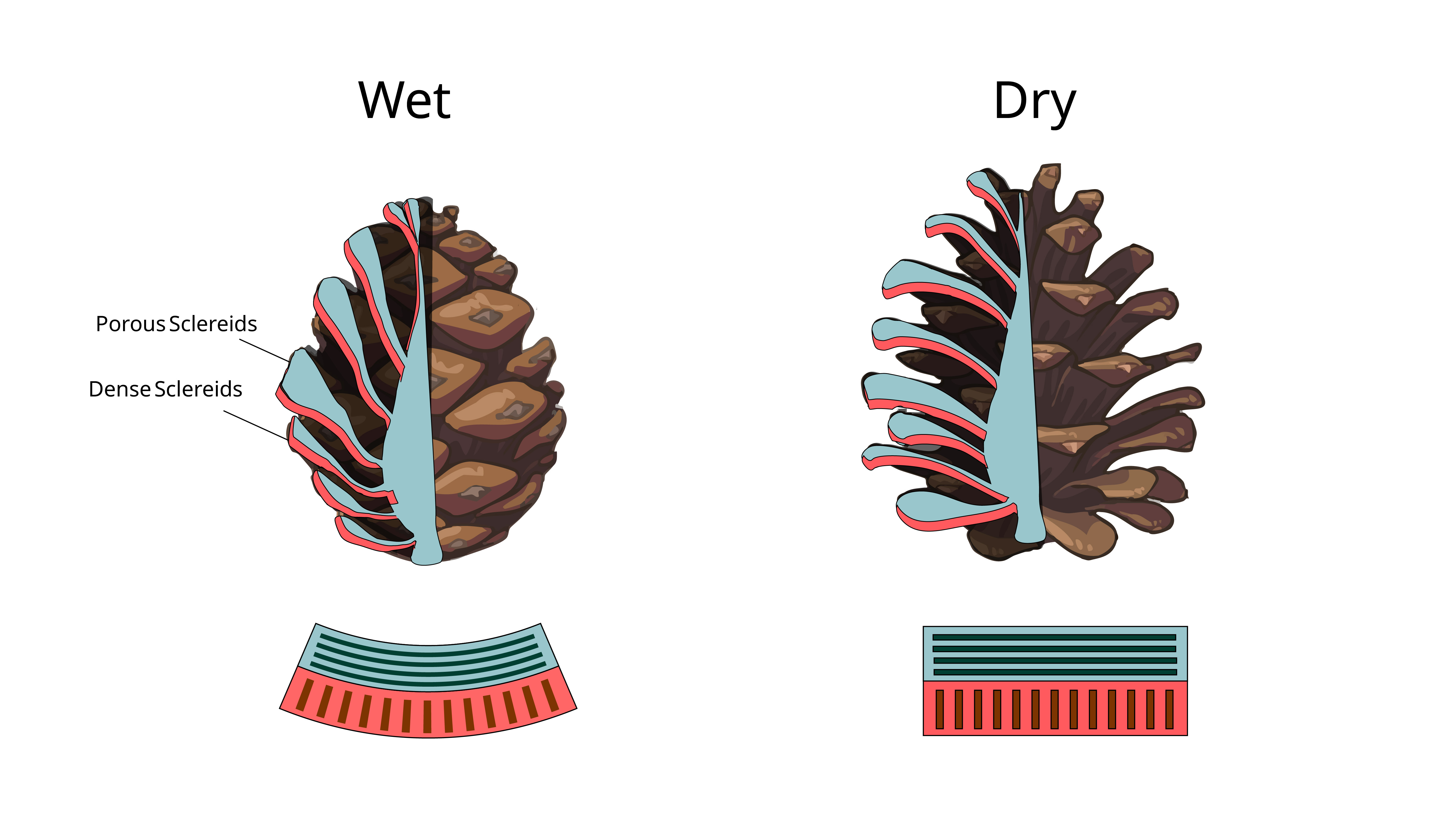
Throughout all of this time, scientists have been highlighting the ways in which nature has designed soft actuators, including pinecones.